[smartslider3 slider=“2″]

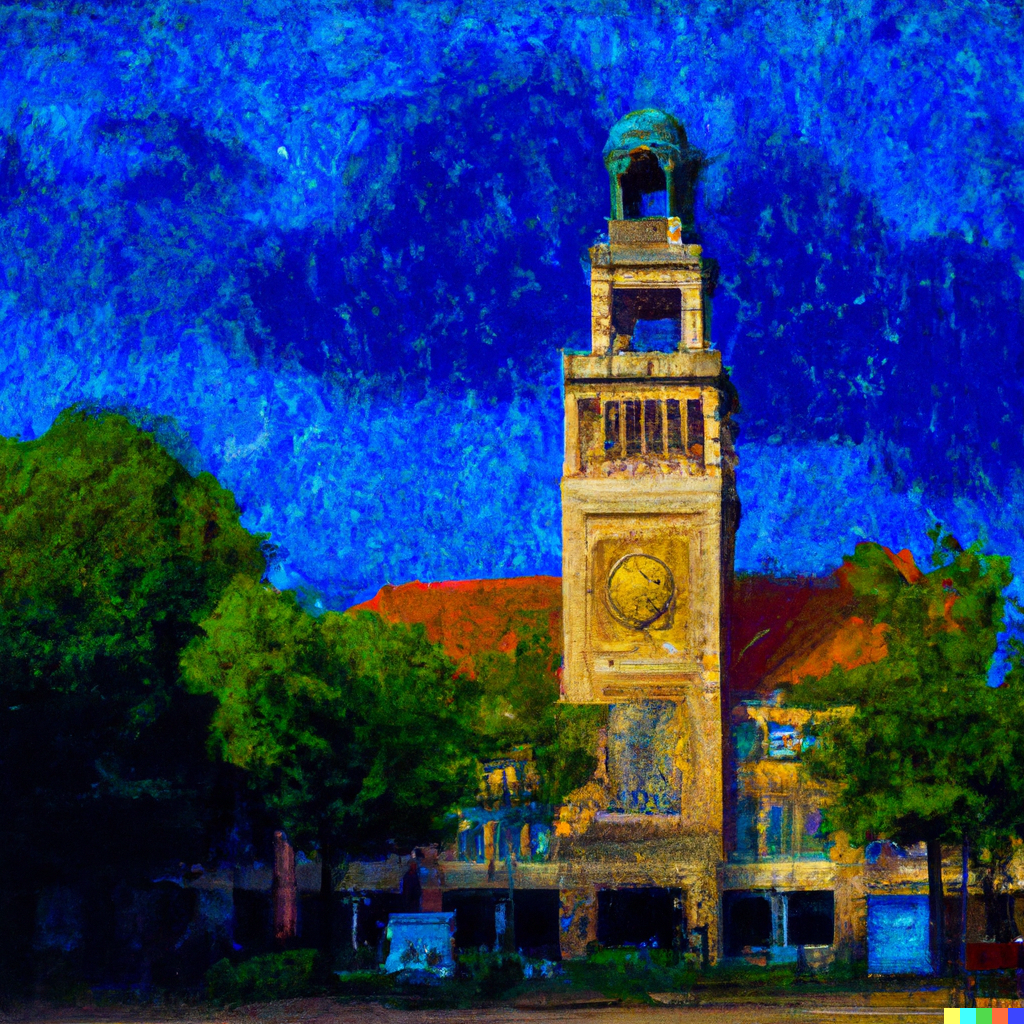
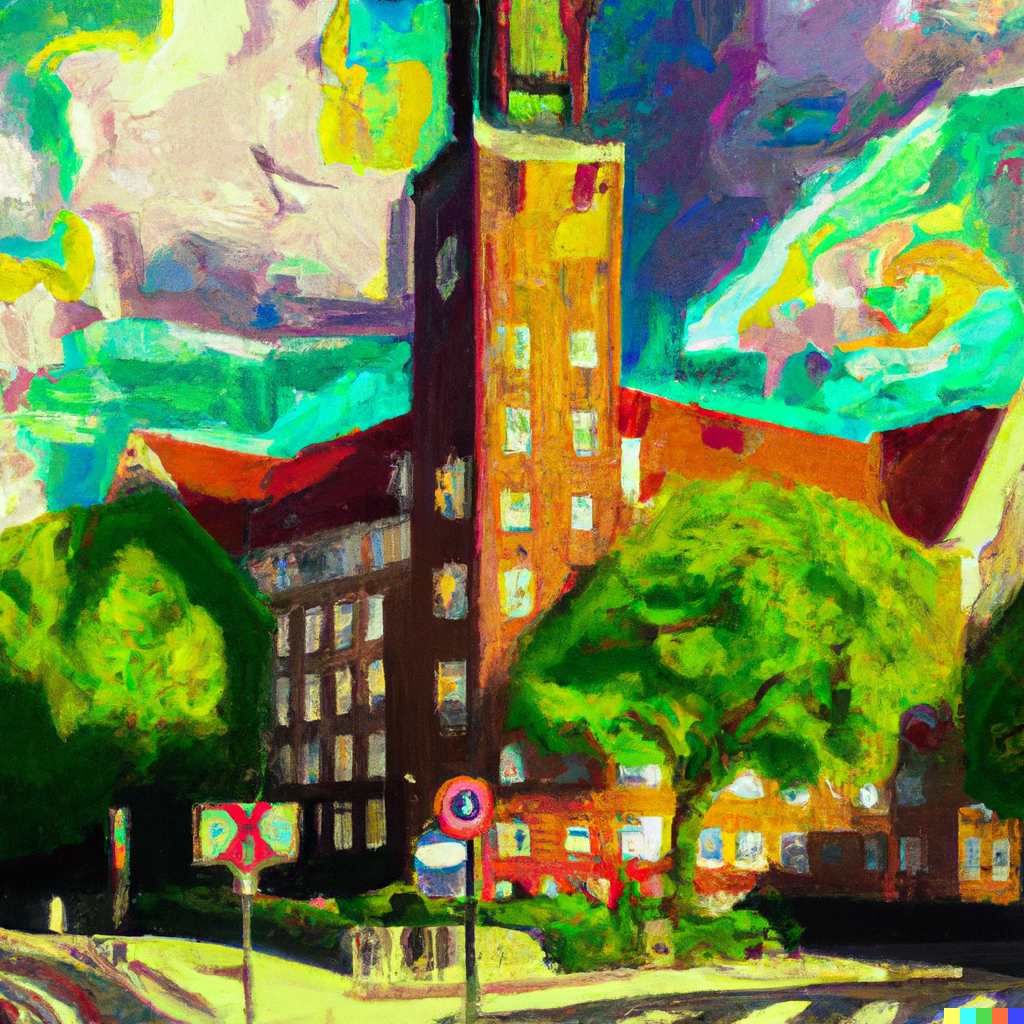
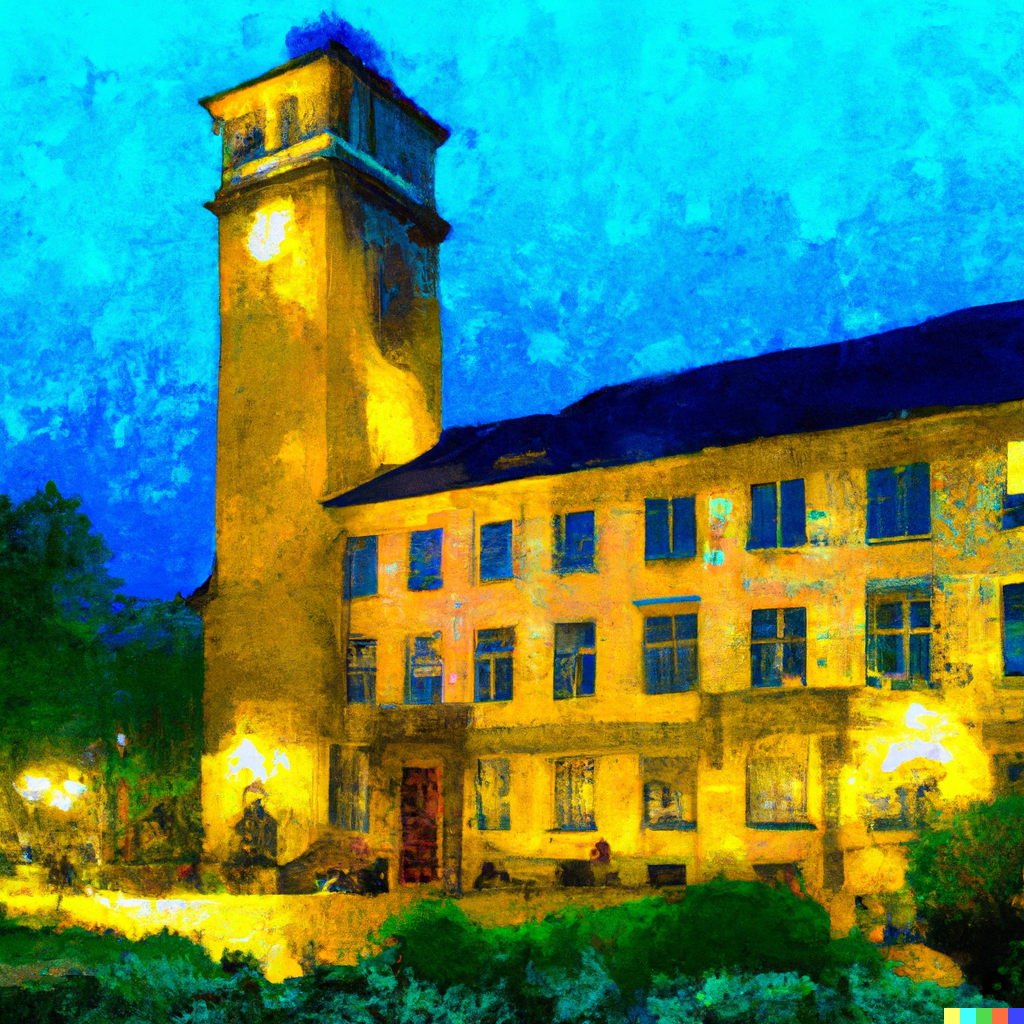
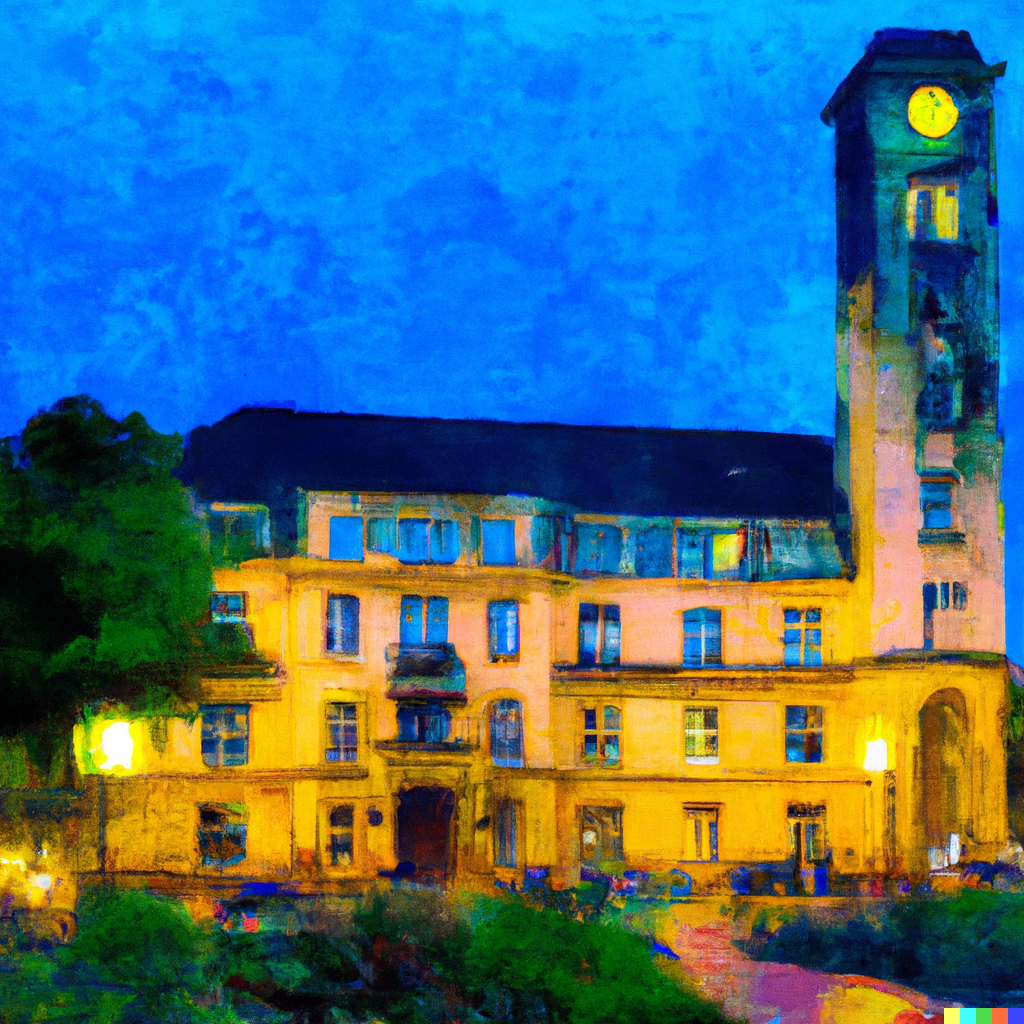
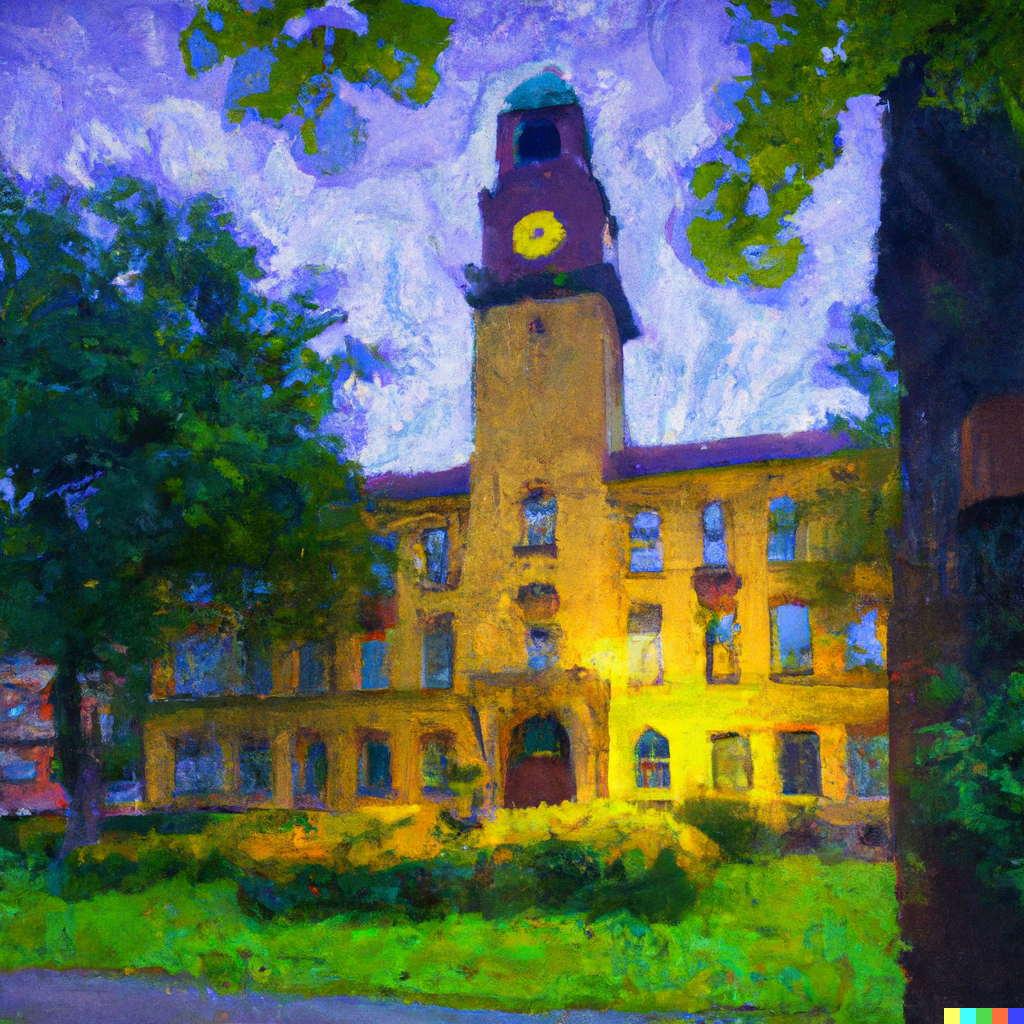
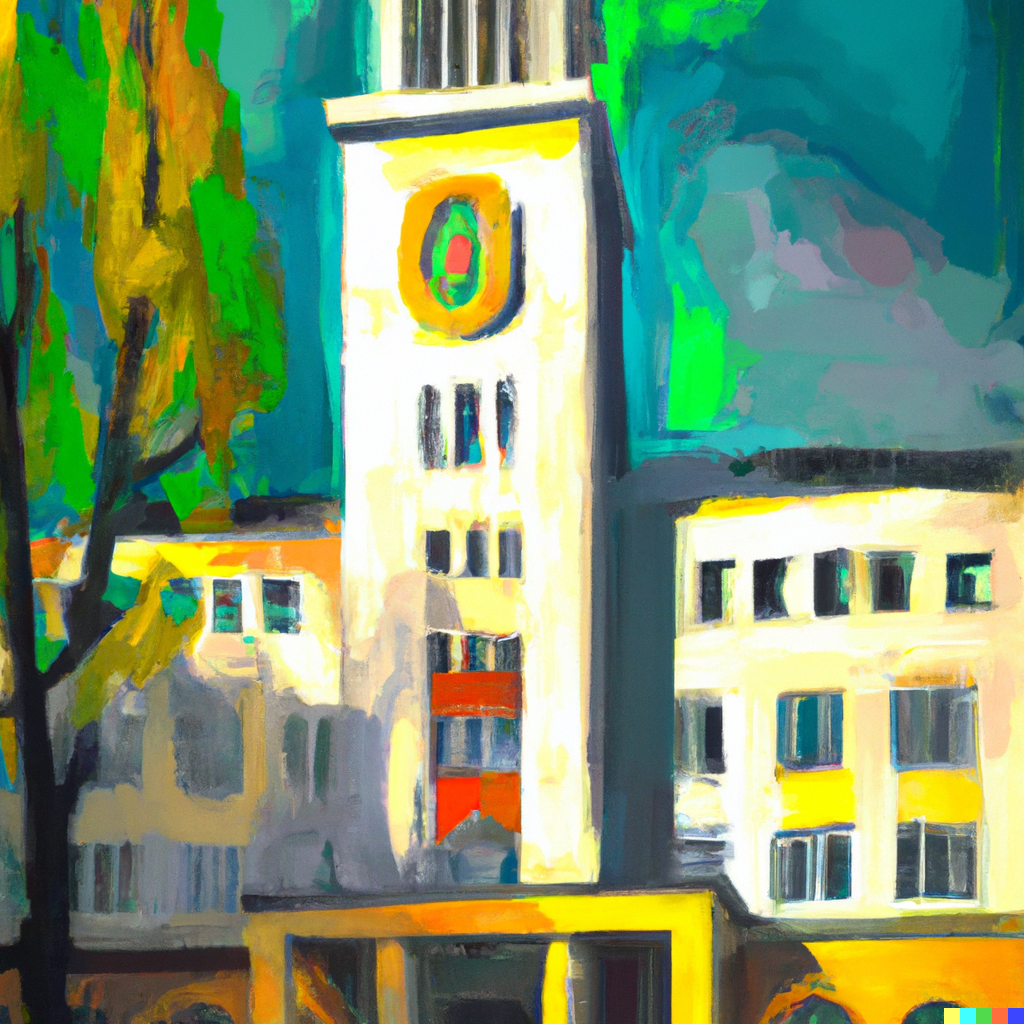

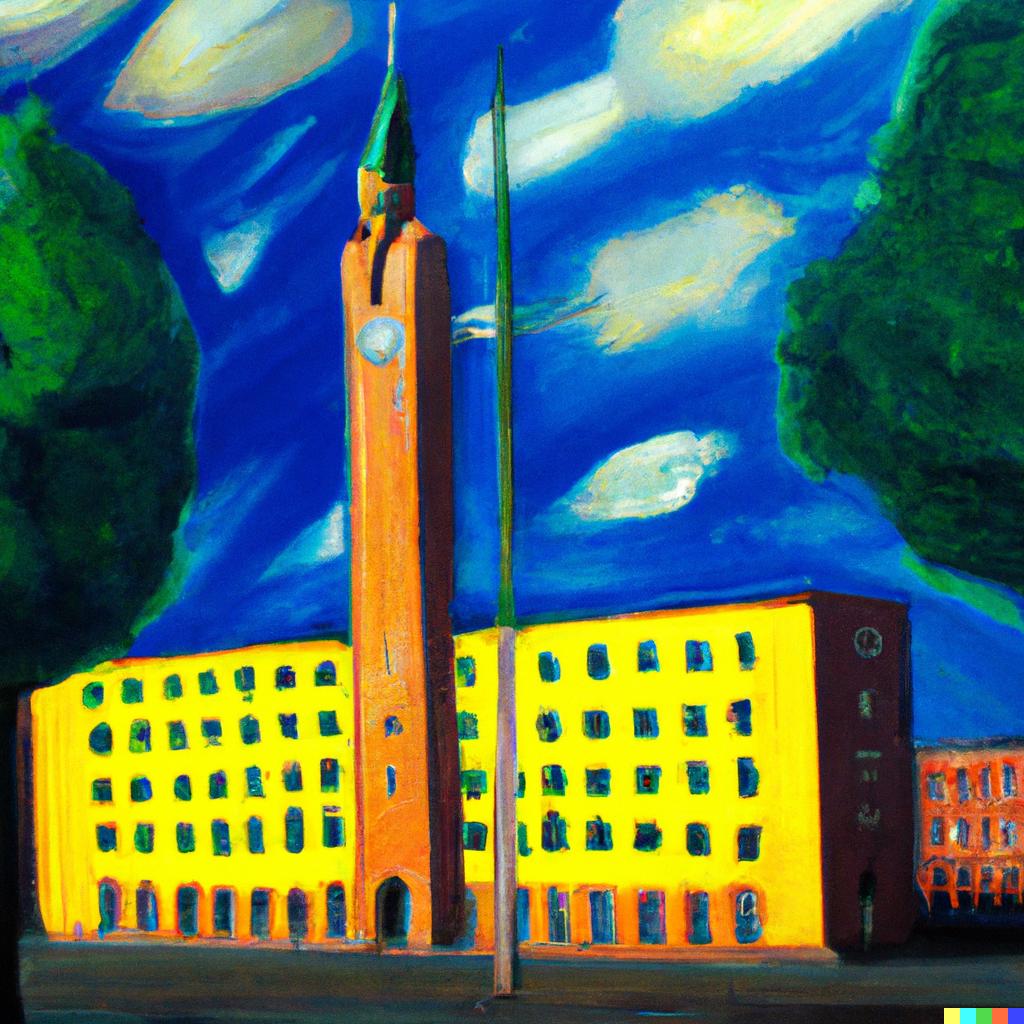
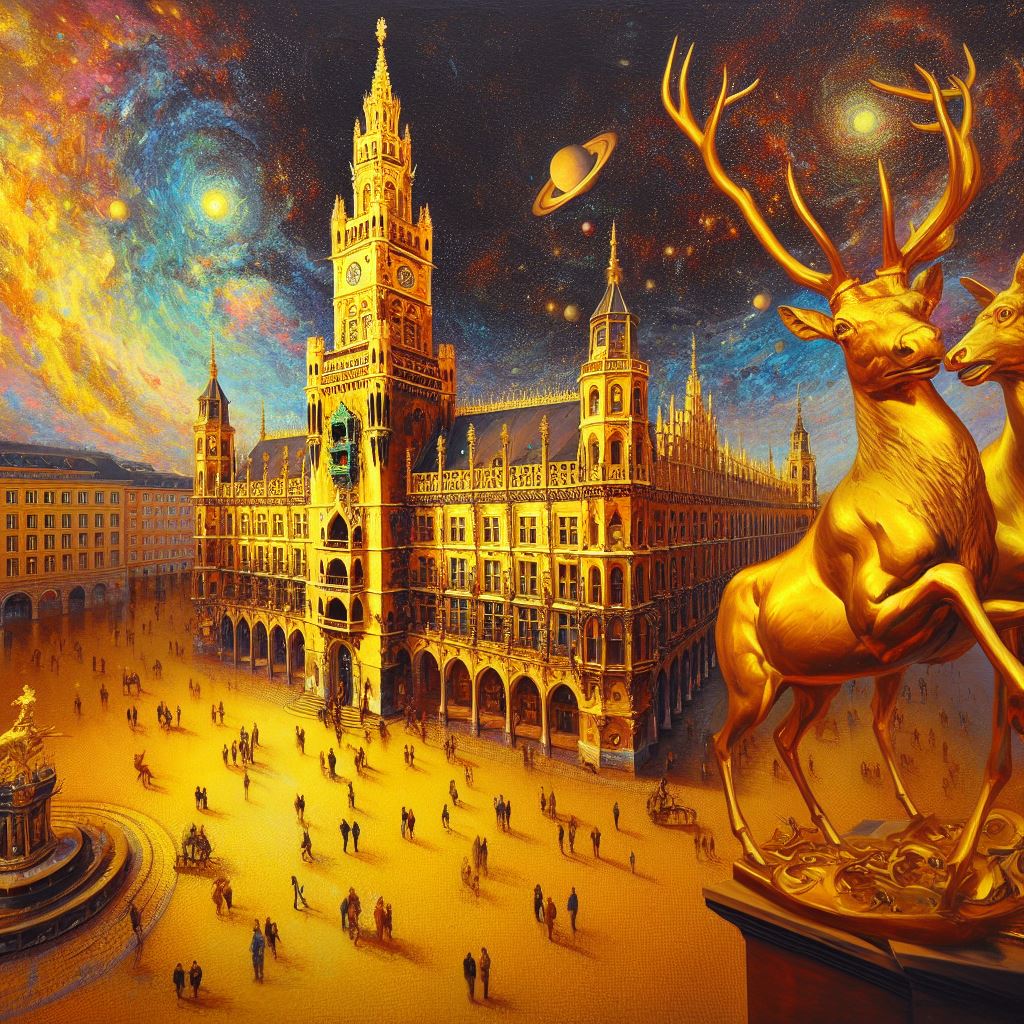
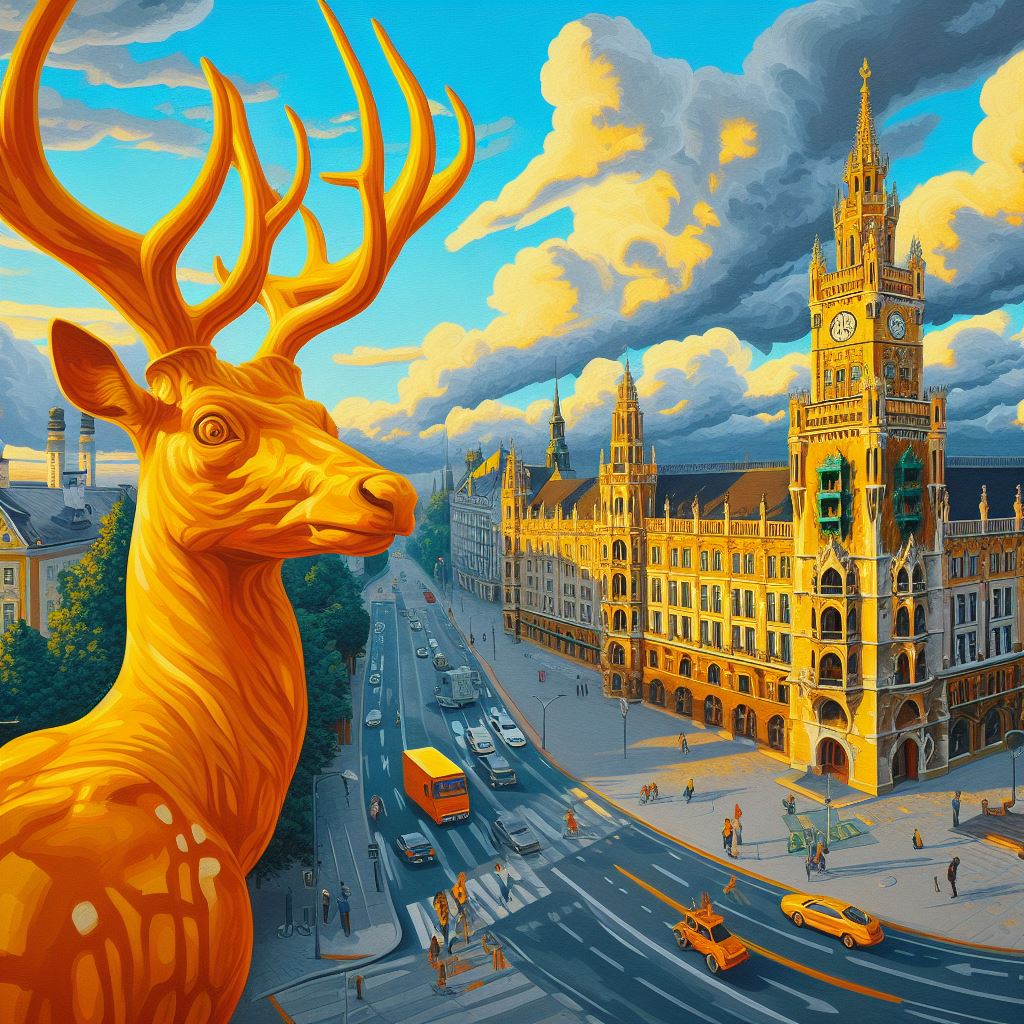
Do you remember where John F. Kennedy spoke?
Are you ready to be transported back in time to witness an iconic and historic moment? Picture this: It’s June 26, 1963, and the charismatic President of the United States, John F. Kennedy, is standing before a crowd at Rathaus Schöneberg in Berlin. His words are inspiring and his presence is electrifying. This was a pivotal moment in history that still resonates today. In this blog post, we will delve into the significance the iconic Rathaus Schöneberg and explore why it remains such an inspirational building for people around the world.
The Building that Made the Difference
It was in the Rathaus Schöneberg that John F. Kennedy delivered his famous „Ich bin ein Berliner“ speech. The building itself played a pivotal role in the success of the speech, as its grandeur and historical significance lent an air of authority and gravitas to JFK’s words. It was also a symbol of democracy and freedom, standing as a testament to the resilience of the German people in the face of adversity. The Rathaus Schöneberg served as a fitting backdrop for JFK’s call to arms, as it represented everything that he was fighting for: a world where people were free to express themselves and pursue their dreams without fear of persecution. The building that made the difference was not just a physical structure, but a symbol of hope and inspiration for a generation of people who were struggling to find their place in a rapidly changing world. In the end, it was the power of the Rathaus Schöneberg that gave JFK the strength to deliver his message, and it is a testament to the enduring legacy of that building that we still remember his words today.
The Rathaus Schöneberg was the seat of the West Berlin government during the Cold War and was the location of John F. Kennedy’s famous „Ich bin ein Berliner“ speech. By preserving historical buildings such as the Rathaus Schöneberg, we are able to connect with our past and understand the cultural and political significance of our cities. Additionally, historical buildings often hold important architectural and artistic value. The Rathaus Schöneberg is a stunning example of Neoclassical architecture, and its preservation allows future generations to appreciate and learn from this style. Finally, preserving historical buildings can also have economic benefits.
Re-Thinking Architecture with AI
As we dive into the history of Rathaus Schöneberg, we can’t help but wonder how the use of AI could have impacted its design and construction. With advancements in technology, architects and designers are now able to use artificial intelligence to create innovative and sustainable structures that are both functional and visually appealing. AI can help architects analyze complex data, identify patterns, and make informed decisions about building materials, energy efficiency, and structural integrity. By incorporating AI into the design process, architects can create buildings that are not only aesthetically pleasing but also environmentally responsible. Furthermore, AI can also be used to optimize the use of space, making buildings more efficient and reducing their carbon footprint. Rathaus Schöneberg, with its iconic architecture and historical significance, is a perfect example of how traditional architecture and design can be reimagined and improved with the use of AI. As we move forward, it’s important to consider the benefits that AI can bring to the field of architecture, and how it can help us create buildings that are not only beautiful but also sustainable and functional.